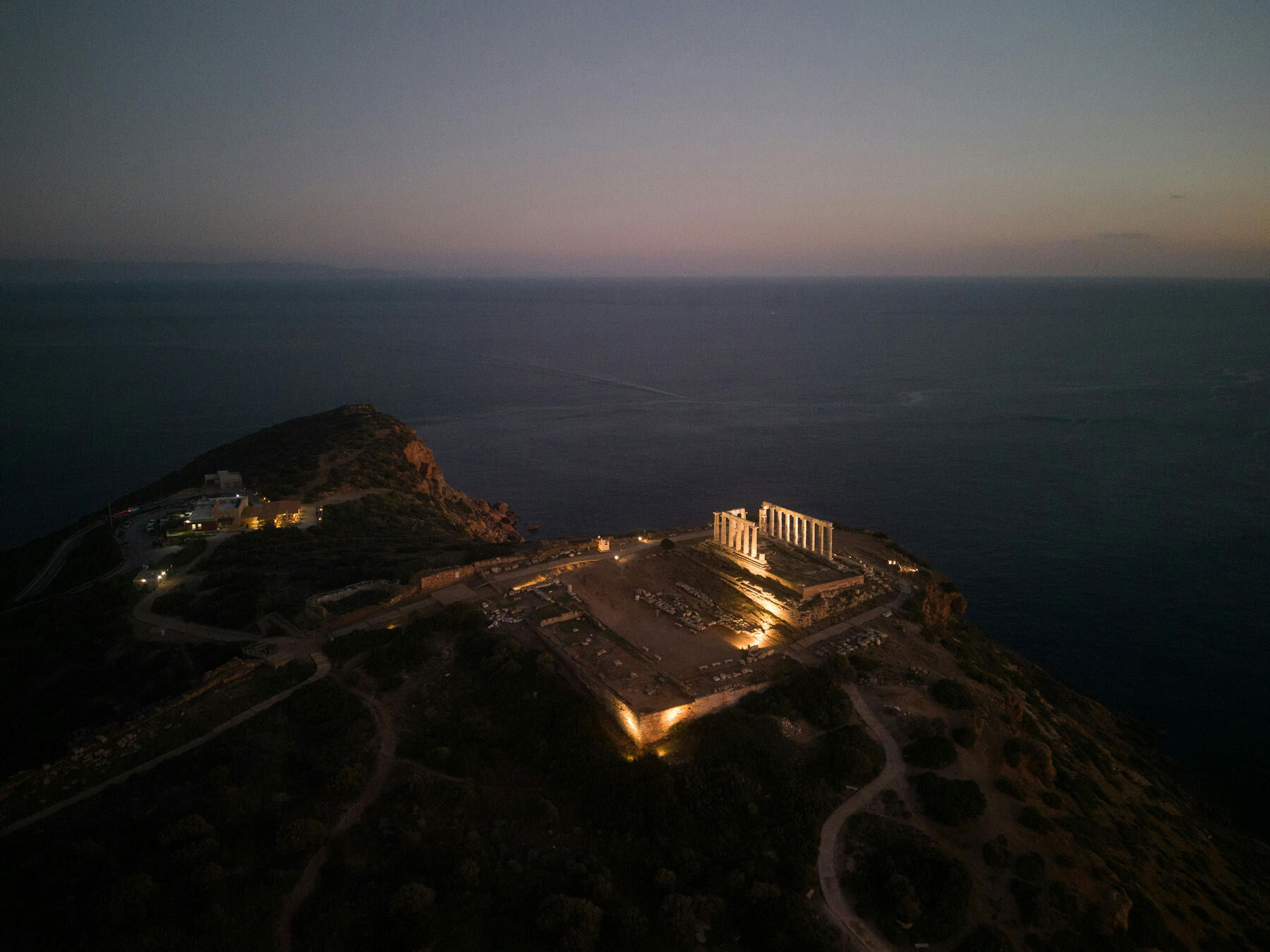
Cape Sounio and the Temple of Poseidon: Athens' Most Dramatic Day Trip
Journey to the edge of the world at Cape Sounio, where the magnificent Temple of Poseidon crowns dramatic cliffs overlooking the endless Aegean Sea.
At the southernmost tip of the Attica peninsula, where the ancient Greeks believed the earth met the realm of the gods, stands one of the most breathtakingly positioned monuments in all of Greece: the Temple of Poseidon at Cape Sounio. This 5th-century BC temple, dramatically perched on marble cliffs 200 feet above the Aegean Sea, offers visitors not just archaeological wonder, but one of the most sublime sunset experiences in the Mediterranean.
A Temple to the God of the Sea
Built around 444 BC during the golden age of Pericles, the Temple of Poseidon was constructed to honor the powerful god of the sea, earthquakes, and horses. Ancient Athenians would make pilgrimages here to seek Poseidon's favor before embarking on sea voyages, understanding that their maritime empire depended on the god's goodwill.
The temple originally featured 34 Doric columns, of which 16 remain standing today. Constructed from local white marble that gleams brilliantly in the Mediterranean sun, these columns have weathered over two millennia of storms, yet still convey the monument's original majesty and the sophisticated engineering of ancient Greek architects.
Architectural Marvel on the Edge of the World
The temple's positioning is no accident. Ancient Greeks chose this dramatic headland for both practical and spiritual reasons. Ships approaching Athens from the south would see the temple's columns as a beacon, announcing their arrival in Athenian waters. Spiritually, the site represented the boundary between the known world and the mysterious realms beyond.
The temple's design incorporates subtle architectural refinements that demonstrate the sophistication of ancient Greek building techniques. The columns lean slightly inward, and the platform curves almost imperceptibly upward, creating optical illusions that make the structure appear perfectly straight and proportioned from any viewing angle.
Byron's Romantic Legacy
Cape Sounio gained renewed fame in the 19th century when the Romantic poet Lord Byron visited and carved his name into one of the temple's columns. His poem about Sounio helped cement the site's reputation as a place of sublime beauty and melancholic reflection on the passage of time.
While visitors today are (rightfully) prohibited from following Byron's example of graffiti, the romantic appeal of the site remains undiminished. The combination of ancient ruins, dramatic geography, and endless sea views continues to inspire writers, artists, and travelers from around the world.
The Journey from Athens
Cape Sounio lies approximately 70 kilometers southeast of Athens, making it perfect for a half-day or full-day excursion. The coastal road (known as the Apollo Coast) winds through charming seaside towns and offers spectacular views of the Saronic Gulf islands in the distance.
The drive itself is part of the experience, passing through areas that have been sacred to Greeks for millennia. Ancient temples, Byzantine churches, and traditional fishing villages dot the coastline, creating a journey through time as well as space.
Sunset: The Ultimate Sounio Experience
While the Temple of Poseidon is magnificent at any time of day, sunset represents the absolute pinnacle of the Sounio experience. As the sun descends toward the horizon, the white marble columns are transformed into golden pillars of light, silhouetted against a sky that shifts from blue to orange to deep purple.
The combination of ancient architecture, dramatic cliffs, and the endless expanse of the Aegean creates a scene of almost overwhelming beauty. This is the time when you truly understand why ancient Greeks chose this spot to honor the god of the sea – the setting feels genuinely divine.
Archaeological Discoveries and Museum
Beyond the temple itself, the site includes several other archaeological remains that help tell the story of ancient Sounio. Foundations of ancient houses, a small museum displaying artifacts found during excavations, and remains of fortification walls reveal that this was once a thriving sanctuary and fortress.
The museum houses sculptures, pottery, and other artifacts that illuminate daily life at ancient Sounio. Particularly notable are the kouros statues – archaic sculptures of young men that once stood as offerings to Poseidon.
Swimming and Beaches
The area around Cape Sounio features several beautiful beaches where visitors can swim in the same waters that ancient Greeks considered sacred to Poseidon. The beach directly below the temple offers the unique experience of swimming while gazing up at the ancient columns towering overhead.
The crystal-clear waters and dramatic backdrop make this one of the most scenic swimming spots near Athens. Many visitors combine their temple visit with beach time, creating a perfect blend of culture and relaxation.
Planning Your Visit
To make the most of your Cape Sounio experience:
- Arrive 2-3 hours before sunset for the best lighting and photography
- Bring sun protection – the clifftop location offers little shade
- Wear comfortable walking shoes for exploring the archaeological site
- Consider combining your visit with stops at coastal tavernas for fresh seafood
- Check weather conditions – high winds can make the clifftop experience uncomfortable
- Book organized tours or rent a car for the most flexible experience
Seasonal Considerations
Cape Sounio offers different experiences throughout the year. Summer provides the clearest skies and warmest swimming conditions, but also the largest crowds. Spring and autumn offer mild weather and fewer visitors, making them ideal for contemplative visits. Even winter has its appeal, with dramatic storms and crashing waves that demonstrate why ancient Greeks feared and revered Poseidon's power.
A Timeless Pilgrimage
A visit to Cape Sounio connects you directly to one of humanity's most enduring spiritual traditions – the recognition of natural beauty as divine. Standing among these ancient columns, watching the sun set over the endless Aegean, you're participating in an experience that has moved visitors for over two millennia.
Whether you come as a lover of archaeology, a seeker of natural beauty, or simply someone wanting to witness one of the world's most spectacular sunsets, Cape Sounio delivers an experience that transcends ordinary sightseeing. It's a reminder that some places are genuinely sacred – not because of human decree, but because of their power to elevate the human spirit.
The Temple of Poseidon at Cape Sounio stands as proof that the ancient Greeks possessed not just architectural skill, but an intuitive understanding of how to create spaces where earth meets heaven, where human achievement harmonizes with natural grandeur, and where the passage of centuries only deepens rather than diminishes a site's profound beauty.
Stay in Exarcheia
Two apartments in Athens' most vibrant neighbourhood. Book directly on Booking.com or Airbnb.